
Bailiff and private investigator: complementary legal professions, from the administration of evidence to the enforcement of court decisions
Bailiffs and private investigators are two professions that are often perceived as distinct, even opposed. However, they are complementary and together contribute to the search for truth in legal cases. But the involvement of a private investigator is often essential in cases requiring the action of a bailiff, whether before a finding or during the enforcement of a judgment. Our private detective agency in Lyon, renowned for its expertise, works regularly and closely with bailiffs to ensure the effectiveness of the French judicial system.
Bailiff and private investigator: two professionals specializing in evidence gathering with regulated duties
Bailiff: a key player in the judicial system
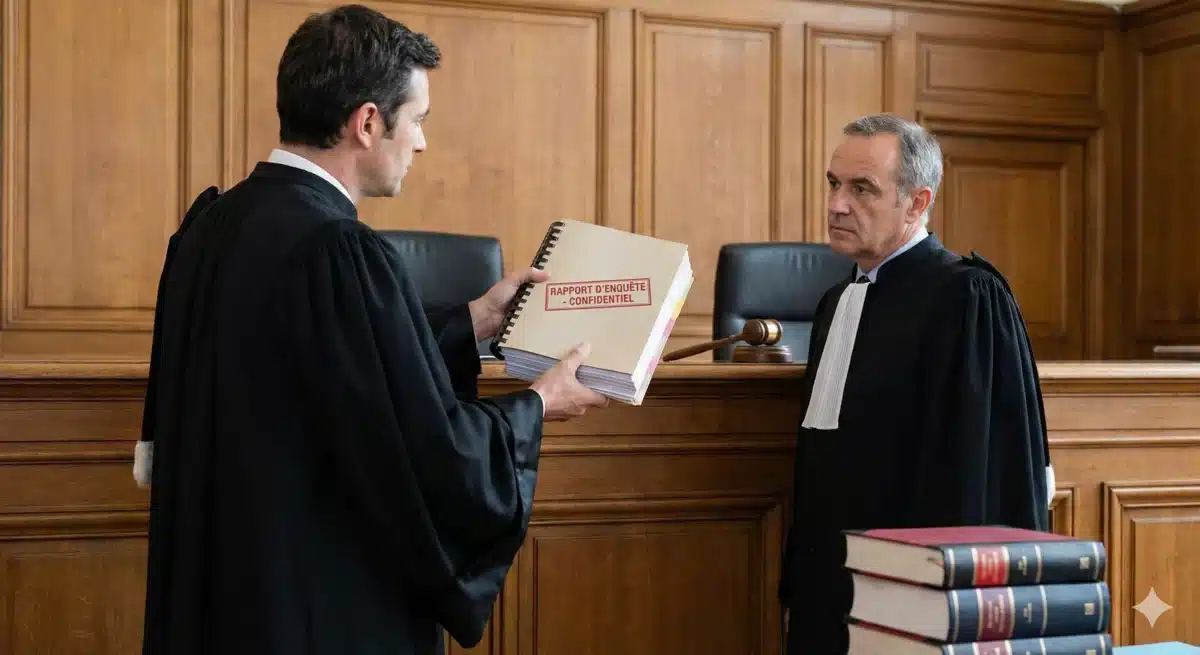
As a ministerial officer, the bailiff's main task is to serve and enforce court decisions. He is also responsible for recording facts, amicable debt collection, and conducting certain auctions. As a legal professional, the bailiff is subject to strict rules of professional conduct and ethics. He plays an essential role in the administration of evidence, making material findings, drawing up reports and preparing reports. These documents have probative value and are used by the parties in their disputes.
The central mission of a bailiff is to record facts: their findings, recognized as robust evidence in court, are valid until proven otherwise. However, they must intervene at the right place and at the right time to make a relevant observation, which can be difficult due to the strict regulations governing their activity. Indeed, bailiffs cannot resort to stratagems to collect evidence and must disclose their status as ministerial officers, which prevents them from investigating.
Private investigator: a valuable ally in the search for truth
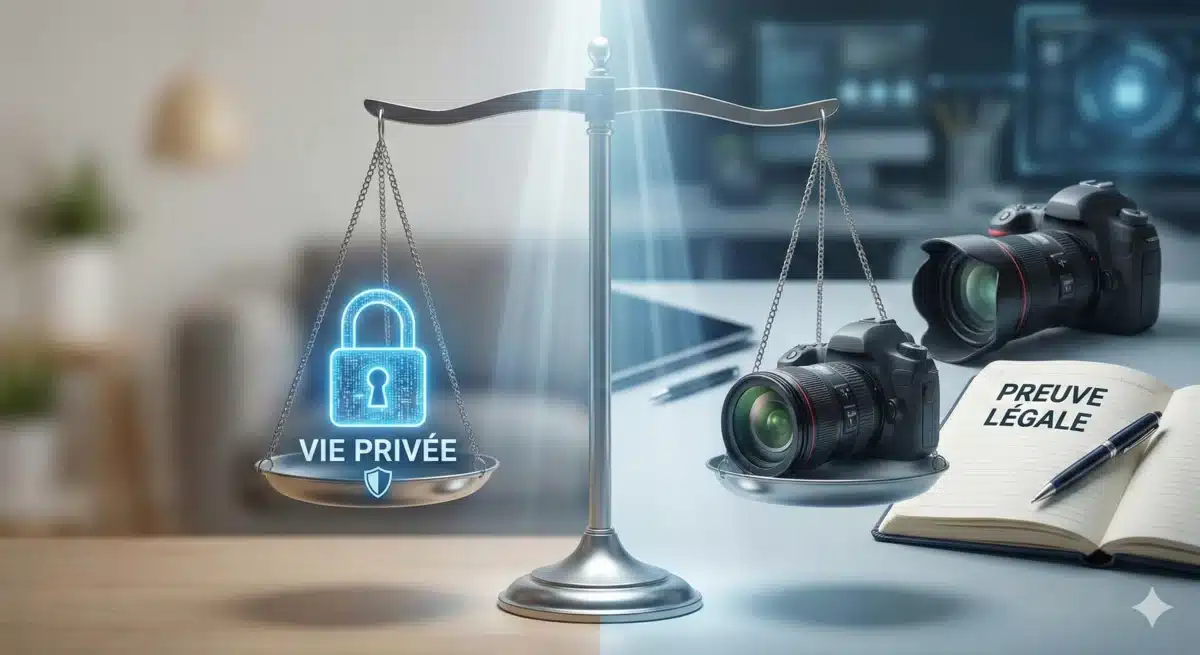
A private investigator is a professional who specializes in conductingInvestigations research for clients, while complying with applicable laws. They mainly work in civil, commercial, and criminal matters, and may be called upon to handle cases involving fraud, infidelity, unfair competition, missing persons, or CV verification. Private investigators can provide evidence in legal proceedings. The results of their investigations can be used by the parties to support their arguments and strengthen their position. However, the evidence collected must be fair and legal in order to be admissible in court.
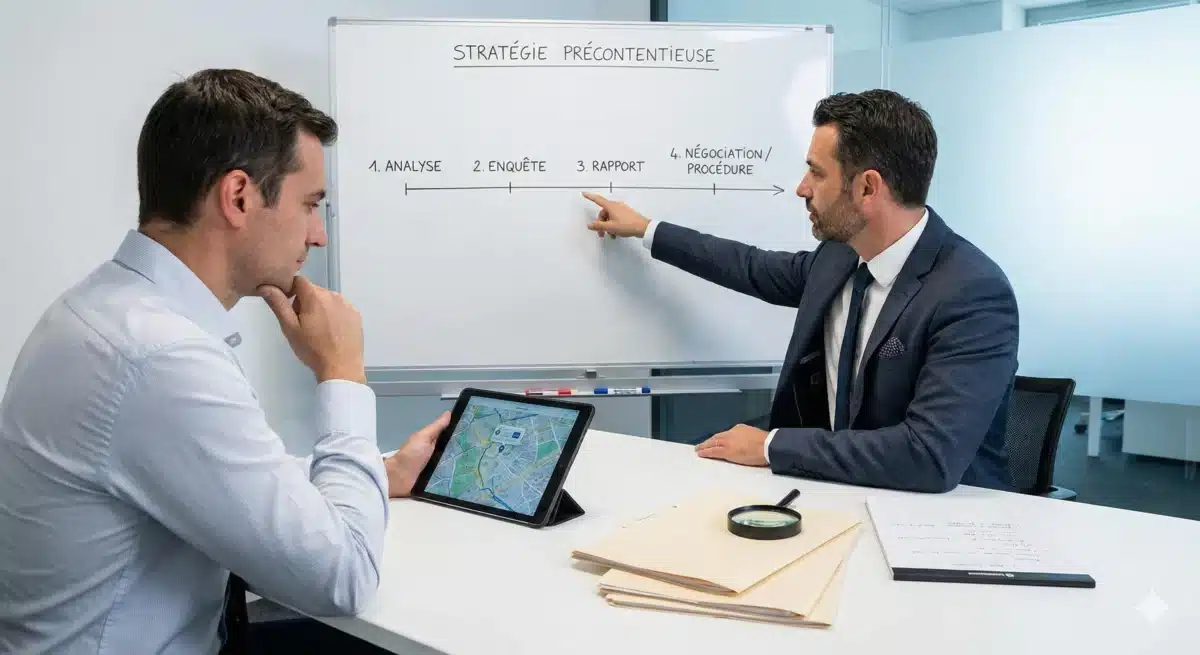
As an investigation expert, private investigators developInvestigation strategies to gather information and intelligence that will serve as evidence in court. Unlike bailiffs, private investigators are not required to reveal their identity or the purpose of their mission, in accordance with Article L621-1 of the Internal Security Code.
Investigate before concluding: strong complementarity in the administration of evidence
The areas of expertise of the two professions naturally complement each other and can be exercised in perfect synergy. The main skill of a private investigator lies in their ability to investigate freely, while a bailiff is distinguished by the solidity of their findings in legal proceedings. Thus, the investigator conductsInvestigation, identifies the evidence, and communicates it to the bailiff, who is responsible for materializing it and making it enforceable against the opposing parties. In addition, the detective's preliminary investigation can facilitate the bailiff's intervention at the right place and at the right time in various situations, such as adultery, storage of stolen goods, or illegal work.
Investigation December 6, 2017 (Cass. Soc. appeal no. 06-43392) is a textbook case that anchors this synergy in case law. A private detective discovers that a heavy goods vehicle instructor on long-term sick leave is working for a driving school without being declared. Following these revelations and in collaboration with the employer, a bailiff comes to verify the facts. The employee, who was dismissed, brought a case before the labor court, but the Court of Cassation ruled in favor of the employer: while the detective's observations would not have been admissible as they stood, the bailiff merely made purely material observations that were perfectly lawful and valid.
Investigating to enforce court decisions: when debtors disappear after the trial
The bailiff's job isn't just about making observations: they're also in charge of making sure court decisions and legal documents are followed. For example, after a trial, it's common for the winning side to ask for money from the other side. It's then up to the bailiff to make sure the money owed gets paid.
However, some debtors, unable or unwilling to pay the amounts demanded, sometimes try to hide part of their assets or disappear. In such cases, the bailiff may request the services of a private investigator to investigate and uncover the debtor's hidden assets or track them down if they have attempted to evade payment.
In general, a bailiff may call upon a private investigator to locate any person whom he wishes to contact or serve with a document or decision.
Conclusion: complementarity serving the French judicial system
The roles of bailiffs and private investigators therefore complement each other, from gathering evidence to enforcing court decisions. This synergy helps to bring cases to a successful and optimal conclusion, thereby contributing to the smooth functioning of the French judicial system.