In such moments, the reflex is human, almost visceral: hire a lawyer, "sue," seek compensation. Immediately. However, one question precedes all others. It is rarely asked early enough, but it determines the outcome of 90% of cases: what can you prove, concretely?
In both civil and criminal matters, justice does not operate on intuition. It operates on evidence. And in many cases, it is not the law that our clients lack. It is the factual elements.
This is precisely where the private investigator (PII) comes in. Not as a spectacular actor, but as a behind-the-scenes strategist who is indispensable to your lawyer.
Table of Contents
1. The trap of rushing: Why not "attack" right away?
2.Investigation : An assessment process, not a battle
3. Evidence: "Finding" is not enough, you have to "exploit"
4. Act early: A race against time
5. Civil or criminal: The pivotal role of theInvestigation report
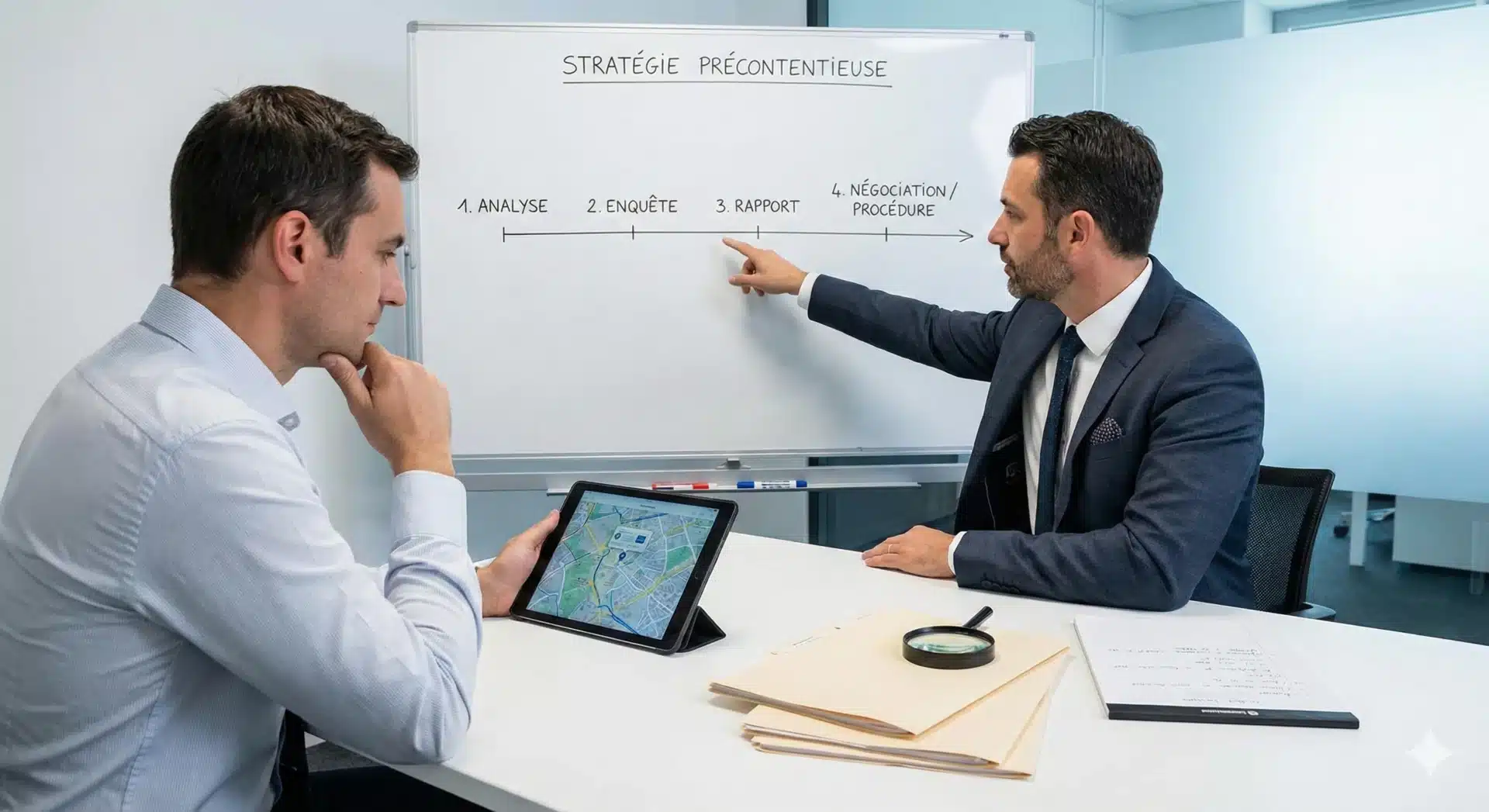
6. The Inveny approach: Understand before you attack
7. FAQ:Investigation in brief
The trap of rushing: Why not "attack" right away?
Sometimes a business owner suddenly discovers that a long-standing customer has been "poached" by a former employee. A parent suspects repeated violations of custody rights. A business partner doubts the loyalty of their partner.
Emotion precedes analysis. We want to act quickly. Show our strength. But be careful: initiating proceedings without a solid case can backfire.
As soon as the summons is issued, the element of surprise disappears:
Your opponent discovers your strategy.
He organizes himself and locks down his communication.
He erases the traces (digital or physical).
He is preparing his counterattack.
You find yourself exposed, vulnerable, forced to bear significant legal fees for an uncertain outcome.
The principle of legal reality: French law is relentless.Article 1353 of the Civil Code states that "the party claiming performance of an obligation must prove it." Without proof, even actual damage remains legally invisible.
Investigation : An assessment process, not a battle
Hiring a private investigator before issuing a subpoena is not a declaration of war. It is a risk management measure.
The purpose ofInvestigation is to analyze the situation dispassionately:
Are the suspicions well-founded or is it just an impression?
Are the incidents isolated or recurring?
Can these facts be proven within a strict legal framework?
This phase is decisive. Sometimes,Investigation the fears. Sometimes, it nuances them. In some cases, it simply avoids a costly and unnecessary procedure.
This is the best way to regain control of a situation that seemed to be slipping away from you.
Note: This phase often allows for amicable negotiation. A strong case often encourages the opposing party to settle before the hearing even takes place.
The proof: "Finding" is not enough; you have to "Exploit."
There is frequent confusion between "knowing something" and "having admissible evidence."
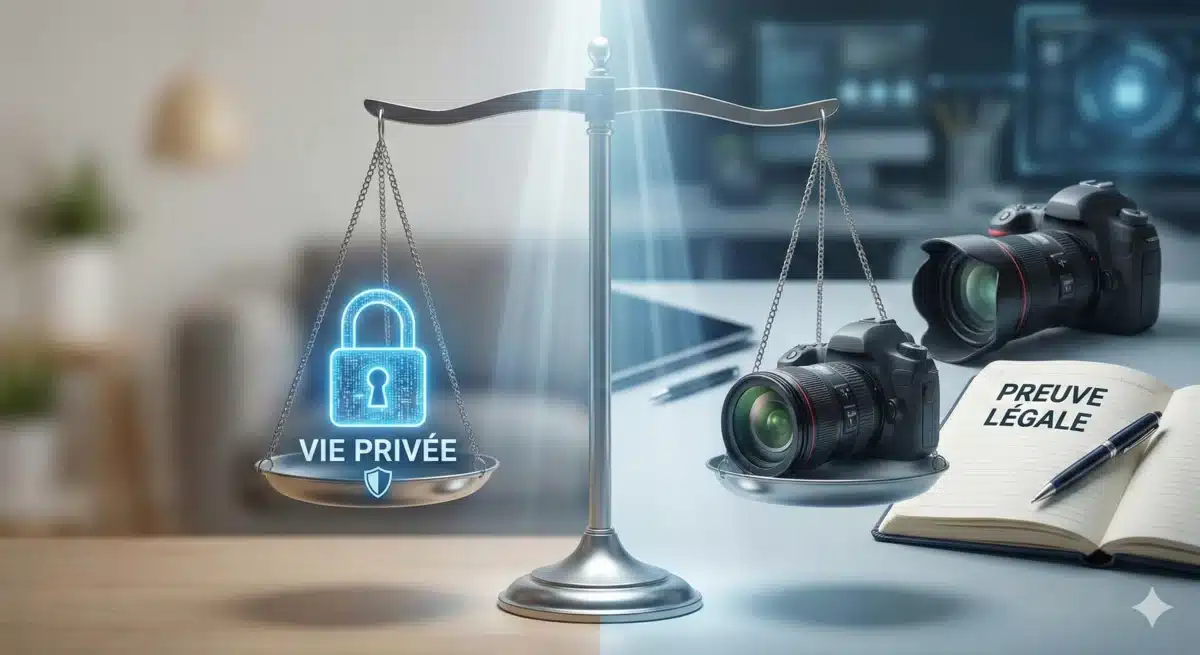
In France, private detective work is strictly regulated by the Internal Security Code and monitored by the CNAPS. Investigations must respect the principles of fairness and privacy.
Evidence obtained illegally (for example, through hacking or intrusion) will be dismissed by the judge and could even lead to your conviction. That is why at Inveny, we attach paramount importance to the legality of the means employed. On this specific point, it is crucial to know the red lines that must not be crossed: [Read our article on the legal limits ofInvestigation ]
The power of theInvestigation report
A structured, detailed report with precise dates and times becomes a strategic tool for lawyers. It transforms hearsay into objective facts.
It helps to avoid risky legal classification.
It serves as leverage for an amicable negotiation (settlement).
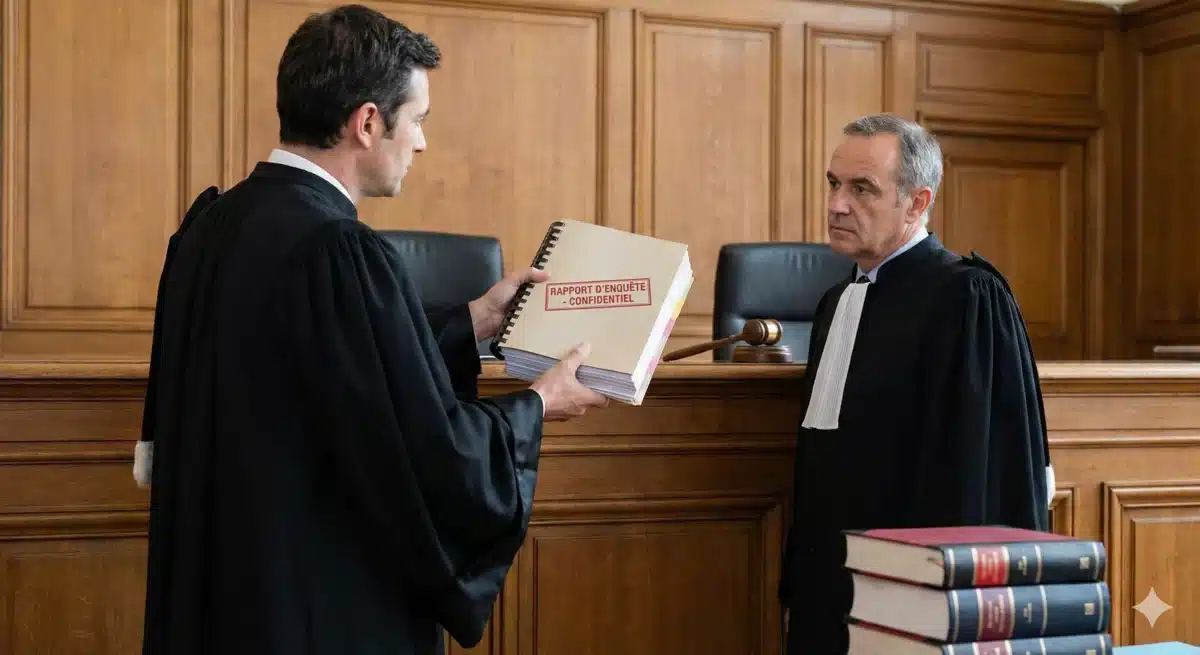
It is a key piece of evidence in court.
To learn more about the legal value of our investigations: [Is a private investigator's report admissible in court?]
Early intervention: A race against time
Waiting for the situation to worsen is rarely a good strategy. Why? Because evidence is a living thing.
Digital data is being overwritten.
Witnesses forget.
Fraudulent behavior is becoming more professional and discreet.
The later an intervention is made, the more complex the evidence becomes. Conversely, measured and proactive action allows evidence (findings, photos, surveillance) to be preserved before it disappears.Investigation is a tool for preservation.
Discretion as the ultimate weapon
Contrary to popular belief, a Investigation is invisible. It does not trigger any summons or official notification. It takes place in a strictly confidential setting. This is a major advantage in family matters or for a company's reputation. The aim is not to expose the problem, but to shed light on the solution.
Civil or Criminal: The pivotal role of theInvestigation report
Investigation and Investigation are often contrasted with each other. In practice, the distinction is sometimes more subtle.
Soliciting customers may constitute unfair competition and be subject to legal action before a commercial court, but in some cases it may also constitute breach of trust. Abusive sick leave may result in labor court proceedings or criminal prosecution if fraud is proven.
The role of the detective is not to legally qualify the facts in place of the lawyer. It consists of establishing the materiality of the behaviors. It is then up to the legal counsel to decide on the most appropriate procedural course of action.
This preparatory work often makes it possible to avoid risky qualification and to build a coherent strategy from the outset.
The Inveny approach: Understand before you attack
At Inveny, we do not "sell" administrative fees orInvestigation the hour. Each situation is examined before any assignment. We validate together:
The real objective.
The chances of obtaining usable information.
The practical usefulness of the final report.
Calling on us before legal proceedings begin does not mean you want conflict. It means you want to make an informed decision. In a legal context where evidence reigns supreme, anticipation is your best protection.
Not sure which strategy to adopt? Don't remain in doubt. A preliminary analysis of your case can often save months of proceedings.
FAQ:Investigation in brief
Can you hire a private investigator without a lawyer?
Yes. You can hire a private investigator (ARP) directly to compile a file of evidence. This file can then be sent to the lawyer of your choice to initiate the appropriate legal proceedings.
Do I need to notify my lawyer before hiring a detective?
Not necessarily. You can hire a private investigator (ARP) on your own initiative to gather evidence. However, at Inveny, we often recommend working in consultation with your legal counsel from the outset to ensure that the evidence sought will best serve your future legal strategy.
IsInvestigation reimbursed?
In certain cases, under Article 700 of the Code of Civil Procedure, the judge may order the opposing party to reimburse the costsInvestigation were necessary for the defense of your rights.
What is the legal value of a private investigator's report?
A report by a CNAPS-approved detective is admissible as evidence in court. It has the same value as testimony and written evidence. To be accepted by the judge, it must be fair, proportionate, and free of personal judgment.
What is the difference between this and a bailiff's report?
A judicial officer (bailiff) officially and visibly records a fact at a given moment in time. A detective works over time and discreetly to prove the recurrence of a behavior or find hidden evidence. The two are often complementary.
How much does a Investigation cost?
The cost varies depending on the complexity, duration, and resources deployed (number of agents, vehicles, administrative research). Contrary to popular belief, a Investigation is often less expensive than legal proceedings launched blindly. We always provide a detailed quote and a clear mandate before any intervention.