
If your business is experiencing a decline in revenue, a loss of customers, or exposure of confidential data, this may be a sign of customer poaching. Customer poaching is an unfair practice that involves diverting customers from one business to a competitor by creating confusion or using unfair competition tactics.
In addition, current or former employees may also cause a loss of customers by disclosing confidential information and attempting to recruit customers for another company, which may violate non-compete clauses.
If your company is facing such situations, it is important to take swift action to protect your business. Implementing effective security measures, hiring a specialized lawyer, and engaging a private investigator can minimize risks and put a stop to the poaching of your company's customers.
Legal framework for customer poaching
Customer poaching is a form of unfair competition. Although this concept is not explicitly defined by law or case law in France, it can be considered as "the abuse of freedom of trade, causing, intentionally or unintentionally, commercial disruption." Customer diversion must originate from a fault and have caused harm to the victim company, and it must then be demonstrated that there is a causal link between this fault and this harm.
The causes of customer defection
In the event of customer poaching, it is essential to understand the source of the problem. Often, this can be caused by a current or departing employee who has access to confidential data about the company's customers and who may use it for personal gain or on behalf of a new company. Similarly, former employees may still have access to certain company customer contacts and use them for their own benefit or that of a competing company. It is therefore important to be vigilant, particularly with regard to sales representatives, who are often in direct contact with customers.
In addition, franchisees who decide to leave their franchise to start their own business can also pose a threat, as they have benefited from your company's expertise and know-how, as well as access to your customer database.
Finally, a competing company may also cause customer diversion by engaging in unfair competition practices, such as commercial disparagement, parasitism, disruption of the company's operations, or creating confusion. These acts may mislead consumers and cause them to turn to a competing company.
The effects of customer diversion
Customer poaching can have disastrous consequences for a business, particularly when it leads to the loss of customers. This loss of customers can result in a significant drop in revenue, jeopardizing the survival of the business and significantly affecting its income.
In the context of unfair competition, a competing company may resort to methods contrary to commercial practices in order to steal another company's customers. This may include disparaging or defamatory practices against the victim company, which can damage its reputation and affect its credibility with customers, thereby causing significant financial losses.
It is therefore crucial for a company to take measures to protect its customers and its reputation. By acting proactively to prevent and stop customer poaching, a company can reduce the risk of financial losses and ensure its long-term viability.
Private investigators: a valuable resource for businesses
When a company is faced with cases of unfair competition or customer poaching, it is necessary to call in a private investigator. Private investigators are professionals who gather evidence and are certified by the National Council for Private Security Activities. They haveInvestigation powersInvestigation intervene in civil, commercial, or criminal proceedings without revealing the purpose of their mission.
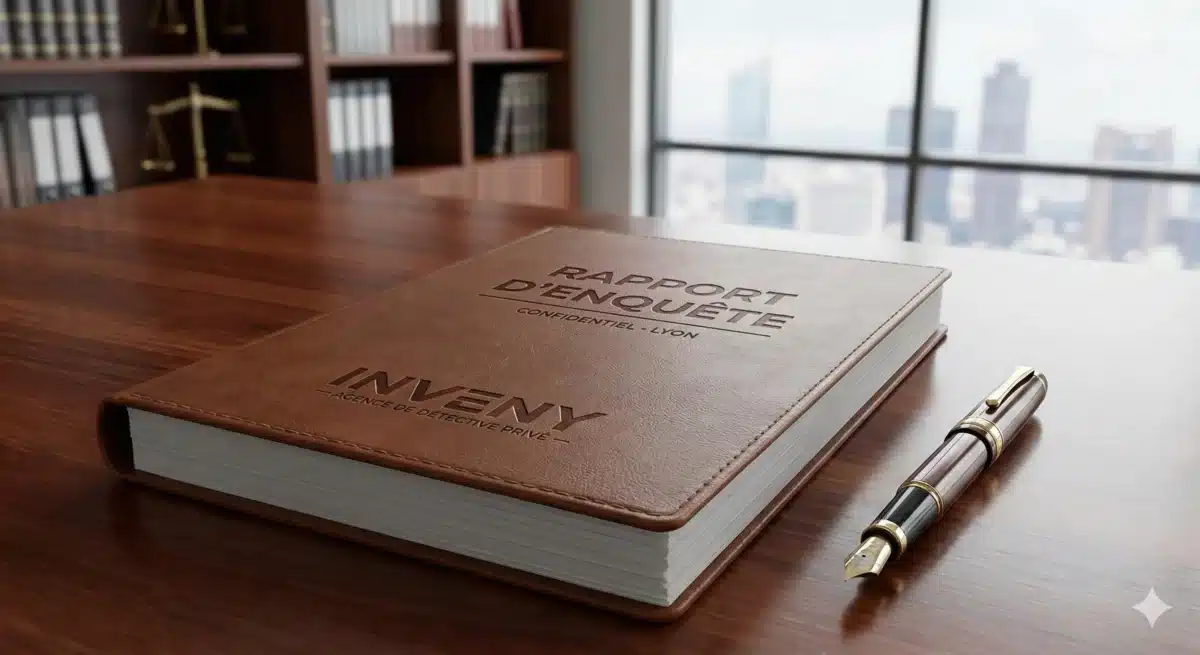
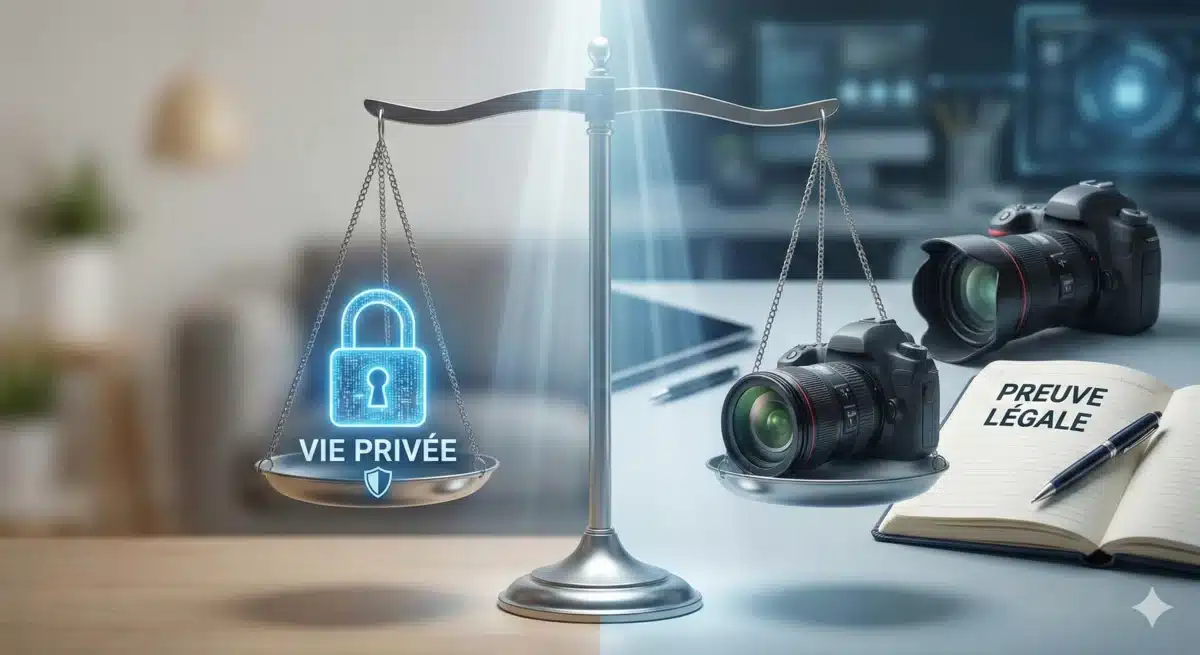
Their role will be to operate discreetly in order to identify which employee or competitor is involved in the unfair competition or customer poaching. The private investigator will then be able to gather the necessary evidence and compile a report that can be used in court or to justify the intervention of a bailiff in the context of a court order. A company that can prove an act of customer poaching will be able to obtain compensation for the damage suffered.
Finally, prevention remains the best solution for companies with particularly sensitive data. Detectives can also act as advisors and auditors, assessing the security of company files and proposing strict confidentiality protocols to protect this data.