Against a backdrop of ever-tighter legal and regulatory requirements in the private security sector, the Conseil National des Activités Privées de Sécurité (CNAPS) recently published, in May 2025, a new control standards dedicated to private research agents, more commonly known as private detectives. This strategic document aims to harmonize professional practices, clarify regulatory obligations and reinforce the legitimacy of the profession. Every year, the number of disappearances in France raises both questions and concerns. According to various sources, several thousand people are reported missing, either temporarily or permanently. Whether it's a loved one who has voluntarily run away, a disturbing disappearance or a person wanted by the police, the situation is often distressing for those around them. Despite the best efforts of the authorities, some Investigations stagnate, leaving families at a loss for answers. At such times, a private detective offers a complementary and personalized approach to finding the missing person.
In this article, we discuss the different types of disappearances, the scale of the phenomenon in the United States, and the valuable role that Investigations by a private investigator can play. We will also look at why it is essential to act quickly and how our detective agency can assist you in the search for your missing loved one.
Table of Contents
1. Why a control framework?
The CNAPS is a public body under the authority of the French Ministry of the Interior, responsible for regulating the private security sector. As a supervisory authority, it regularly verifies that professionals comply with the provisions of Book VI of the French Internal Security Code (CSI). The aim of this standard is multiple:
Enhancing the transparency of professional practices;
Avoiding abuses in the collection of sensitive information;
Protect citizens' rights by strictly regulating investigative methods;
Provide a common base for CNAPS inspectors and inspected agents.
The standards are therefore a clear, standardized reference guide, enabling all those involved to understand the expectations and limits of the PrivateInvestigation business.
2. Legal framework
The first part of the reference guide is devoted to the legal basis of the private research agent profession. It recalls :
Article L621-1 of the CSIwhich defines the activity as consisting of "collecting, even without stating one's capacity or revealing the purpose of one's mission, information or intelligence intended for third parties, with a view to defending their interests";
Obligations of good character, compulsory initial training, possession of a professional card, andapproval for managers;
Prohibitions on holding incompatible positions (journalist, lawyer, public officer, etc.);
Strict supervision of the use of technological means, such as geolocation or audiovisual recording devices.
These elements are a reminder that private investigators are not simply "field investigators", but professionals governed by a demanding body of law.

3. CNAPS control priorities
The second part of the standards is dedicated to the CNAPS control methodology. It is based on five major axes: each corresponds to a fundamental aspect of the profession's practice, and enables us to assess the level of compliance of private investigators in a coherent and fair manner. The aim is not only to detect irregularities, but also to promote best practices and guarantee uniformity of interpretation throughout the country. This structured approach aims to further professionalize the sector, by providing players with a concrete, comprehensible and directly applicable frame of reference.
a. Identification of business activity
The CNAPS verifies that the private research activity is carried out in accordance with the declared corporate purpose, and that the services provided correspond to the authorized activity. Any drift towards missions in other branches of private security (guarding, physical protection) is prohibited.
b. Administrative situation of the company
The controller examines the following documents:
Personnel register ;
Mission contracts ;
Proof of continuing education ;
Investigators must hold a professional card ;
Professional liability insurance.
c. Terms and conditions
Each mission is expected to be :
A clear written mandate, signed by the customer;
Respect for professional secrecy;
Traceability of due diligence carried out (reports, minutes, recordings if necessary and legal).
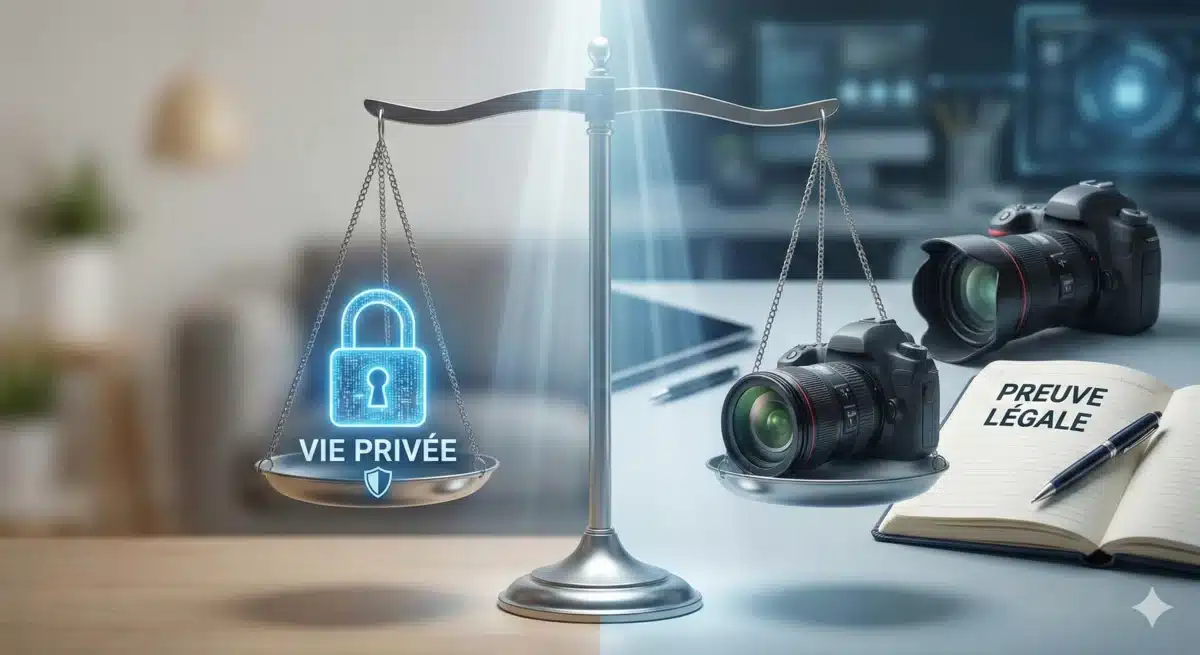
The CNAPS also ensures that the means employed respect fundamental rights: respect for privacy, prohibition of capture without consent, prohibition of disproportionate surveillance.
d. Accounting and financial obligations
The standard strengthens financial transparency requirements:
Compliant bookkeeping ;
Compliance with tax and social security declarations;
Payment of contributions (URSSAF, VAT, etc.).
e. Professional ethics
Finally, special attention is paid to ethics:
Respect for neutrality;
No illegal ties of interest with clients or subjects investigated;
Ethical behavior in dealings with third parties (colleagues, police, lawyers, etc.)
4. A concrete impact for private investigators
For privateInvestigations agencies like INVENY, these standards are more than just administrative documents. It is a structuring operational tool, which directly influences the organization of work, case management and customer relations. Designed as an analytical grid, it enables professionals to take a critical and constructive look at their own methods.
Thanks to this standard, agencies can :
Prepare effectively for an audit, by putting in place clear internal procedures, up-to-date documentation, and self-assessment mechanisms adapted to the reality of their missions;
Identify points of vigilance in their internal practices, particularly with regard to compliance with the legal framework, the storage of sensitive data and the traceability of interventions in the field;
Enhance the quality and admissibility of reports, by ensuring that the information gathered complies with legal standards and can be used in legal proceedings without risk of challenge;
Improve the relationship of trust with customers by demonstrating, from the very first exchange, that their agency operates within a regulated, rigorous and transparent framework;
Train their staff more effectively, using CNAPS expectations as the basis for ongoing training and skills enhancement;
And last but not least, anticipate regulatory changes, by adopting a sustainable compliance approach rather than a crisis management approach.
In addition to compliance, this standard also reinforces the credibility of the profession. It enables reputable agencies to distance themselves from dubious practices or unapproved operators, who damage the sector's image. By integrating this standard into their day-to-day operations, private detectives are reaffirming their role as auxiliaries to the truth, acting with method, integrity and strict respect for the law.
5. Outlook: towards greater professionalism
The publication of these standards is a milestone in the process of legitimizing the private detective profession. By establishing precise, shared criteria, the CNAPS draws a clear line between regulated professional practices and the informal excesses often tolerated on the margins. This framework not only strengthens the legal security of the missions entrusted to us, but also makes the profession more legible in the eyes of the public and institutions.
It allows you to :
Effectively combat marginal practices that damage the sector's image and maintain a sometimes fantasized or archaic perception of the profession;
Encourage serious professionals to structure their business, invest in compliant monitoring tools, improve the quality of their services and keep abreast of regulatory developments;
To pave the way for greater judicial recognition of the work of private investigators, by guaranteeing that the elements produced in the course of their missions comply with the formal and substantive requirements expected by magistrates.
This virtuous dynamic is helping to change the image of the private detective: from a profession perceived as discreet or even secretive, it is now tending to establish itself as a legitimate professional player, complementing other legal auxiliaries such as bailiffs and lawyers.
In this context, customers - be they individuals, companies or local authorities - can place their trust in standards-compliant agencies such asINVENYwho are fully committed to ethics, rigor and professionalism. It's also a guarantee of security for the customer, who benefits from a service that is governed by the law and likely to produce concrete effects in a legal or strategic context.
Conclusion: A profession at the heart of compliance issues
The CNAPS 2025 control guidelines for private research agents mark a structuring step forward for the entire sector. By setting out a precise, transparent and balanced framework, it provides professionals with a clear compass for conducting their business in compliance with legal requirements, ethical rules and societal expectations.
More than a compliance tool, these standards are a lever for quality and credibility. It reinforces the safety of practices, recognition of the profession, and customer confidence in the services delivered. It places the profession firmly on the path of transparency and responsibility, in line with modern private security standards.
For the agency INVENYagency, this is an opportunity to reaffirm its commitments: methodological rigor, respect for the law, absolute confidentiality and efficient Investigations. By fully aligning itself with the requirements of the CNAPS, INVENY confirms its determination to remain a reliable and recognized reference in the service of its customers' legitimate interests.